What About the Real Shit? - Hysterectomy Edition
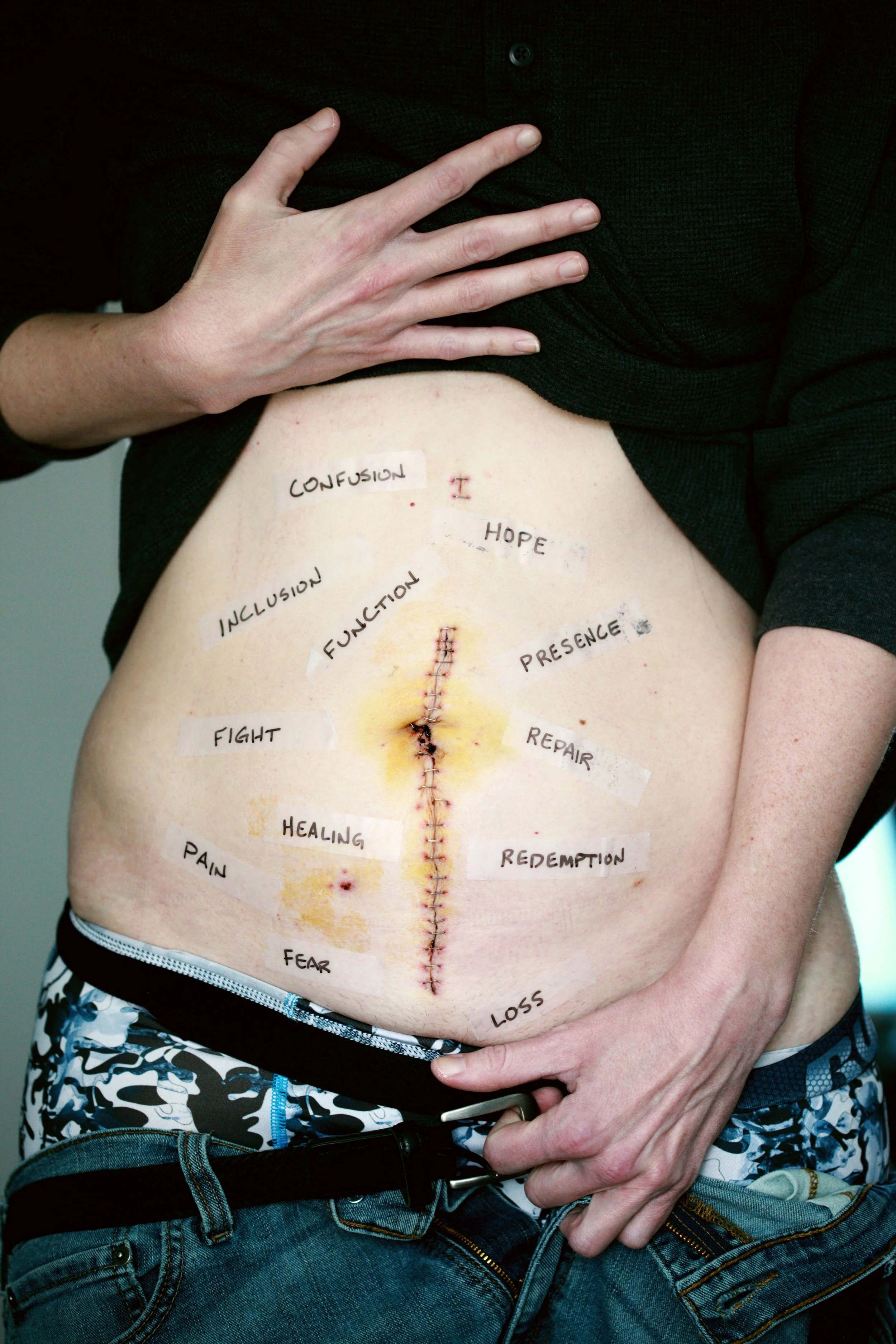
Rarely does a surgical consult cover what your day to day will be like in the days, weeks, months or years after surgery. Sure, they give you post-op information and what to do if you notice too much bleeding, swelling, pain, color change, etc. But they don’t talk about the in-between, the little moments of healing that have such a big impact on you, your body, what is meaningful and what is WTF. And that’s by design: they are experts at what they do, not what you do.
A hysterectomy is a major surgery, even with all the new technology out there so the cuts are smaller, the time spent under is less, the excision more precise. It’s also common enough (it is the second most frequent surgical procedure for women in the United States after cesarean sections, with approximately 500,000 to 600,000 performed annually) that so much of what we need to talk about how impactful it is, is lost in translation. It’s expected women will do fine with a quick checklist, a caution to not lift more than 30 pounds (some are told this is the new rule for life!), and a suggestion to take your pain meds.
Gee, thanks, modern medicine.
What about the real shit? (The literal and the figurative?) How do you poop again without straining or fearing you’re going to undo something inside? How do you move to get out of bed if movement is supposed to be medicine but it really freaking hurts? How do you have sex with your partner (if you have one and want to have sex) and navigate that it might feel different? How to reconcile what might be choice, medical need, or preventative care, with the fact that you are no longer going to have an entire organ, and what happens in all that new space in your body?
And none of that even touches the tip of what might be the emotional, social, and relational icebergs. Yes, three stupidly huge icebergs that many who have a hysterectomy confront, and they may not have been ready for just how enormous all the feelings can be. A hysterectomy, even one that leaves ovaries behind, can impact hormonal balances, identity, reproductive plans, how you move and hold yourself, the shape and depth and sensation of the vagina, and all the relationship to self and others that might be connected to any of those changes.
Did your doctor talk about any of that? Or how it might take time for your bladder to come back online? Or that a Squatty Potty bench (or something similar) is a great tool to ease bowel movements because it helps to shift your anorectal angle (what the hell is that??).
Or that if you are having a hysterectomy for, let’s say, prolapse, chances are certain habits you had before the surgery (like straining to poop) likely contributed to the prolapse, and not changing those habits now might mean the surgery doesn’t really “fix” what you’d hoped for in the long run?
(Not to freak you out - because the good news is, habit change in your daily activities, while sometimes challenging, can have the most significant impact of anything pre- or post-op.)
Did your surgeon mention that a vaginal cuff (a surgical reconstruction created at the top of the vagina after a hysterectomy) can shorten the depth of the vaginal canal, potentially resulting in painful intercourse? I’ve had several clients express exasperation, sadness, and a sense of personal failure because intimacy changed shape as their bodies did, even though their partner was the same they had had for years. And that shifted the relationship and how they achieved pleasure.
None of those feelings was invalid, but also most of them could have been better supported or even not experienced had my clients received more in-depth attention from their medical team, as to how their surgery would impact their daily lives, before they had the surgery.
So that is exactly what I do in my clinic if you come to Medusa before (or after) surgical intervention: I see you. I listen to you, I talk through with you, what your daily life is/was like prior to surgery, after surgery, what you feel has changed for the better, what you feel has changed in a way you don’t recognize, and what being home in your body feels like.
This blog entry is part one of - oh I don’t know how many. However many it takes to clear the ramble I have in my head that I want to announce from a rooftop, about how so many folks deserve so much more attention to their daily lives and needs and wants before a major change like hysterectomy. And how pelvic floor occupational therapy is essential co-care for any abdominopelvic or gynecologic surgery. I try to talk about it on my Instagram, but there’s metrics and limitations and short attention spans and we all just really need more space to have this conversation.
So here we are. Part one. And follow along for more parts about all your changed, yeeted, and new parts.
Part One of What About the Real Shit?: Eleven-ish tips for the first week after surgery
Pooping without panic
Let’s just get this out of the way: yes, you will likely be constipated after surgery, and yes, it sucks. Your GI system slows down from anesthesia, pain medications, and less movement. That means the simple act of pooping can feel like climbing Everest. Upside down.
So listen: take the Colace (or whatever stool softener your team prescribes). Don’t overthink it or feel guilt, you are not “cheating” recovery. Water helps, but sip it, don’t chug. Keep a bottle nearby and just take little sips all day. Warm teas like chamomile and peppermint are underrated allies for your digestive system. Think gentle, consistent support, not heroic effort.
Feet up, stress down
Squatty Potty? Yoga block? Stack of books? Yes, yes, and yes. Raising your knees above your hips lines up your rectum in a way that makes bowel movements way easier. Suddenly, going doesn’t feel like you’re wrestling your own body. Something simple like this is one of those “tiny wins” that feels life-changing in the post-op period.
Squatty Potty 7" The Original Bathroom Toilet Stool White: Non-Slip Backing
Move when you can, pause when you must
Your body wants to heal in motion, but it also wants to be respected. Tiny movements count. Stand up, shift in bed, stretch your arms, every small action matters. Use the stoplight system to keep yourself honest:
Green: Feeling okay? Keep going.
Yellow: Fatigue creeping in, discomfort, or weird sensations? Slow down, breathe, pause.
Red: Pain spikes or symptoms worsen? Stop. Seriously.
This isn’t just for one activity, it’s your whole day, every day. The goal isn’t heroics. It’s consistent, manageable steps that add up without setting you back.
Gentle belly touch
Even though your incisions are tiny, your insides are inflamed and scar tissue may start forming early. Your abdomen might feel hypersensitive - this is normal and expected. Lightly touching or rubbing your belly isn’t just for comfort; it’s a way to help your body get used to being handled again. Think of it as prepping the terrain for future massage or myofascial release. Casual, gentle, kind touch is all it takes.
Posture matters, even in rest
Curling up in a fetal position feels safe, but letting your body stretch gently like lying a bit flatter or standing upright when walking helps your abdominal muscles lengthen and relax. Think of it as giving your body room to breathe and heal without screaming in protest. Yes, rest is critical, but so is letting your core know it can lengthen safely.
Gas relief and moving in bed
Post-op gas can be a literal pain…sometimes all the way up into the shoulders. These exercises are slow, gentle, and not supposed to hurt. Stop if it feels too much:
Exercises for Relieving Gas After Hysterectomy
And when you get out of bed, use the log roll technique to protect your abdomen from strain or excess pain. There was some major moving around of body parts in there, and we tend to overuse the abdomen to shift from lying down to sitting. Make it easier for yourself:
The reality of your first days
0–2 Hours (Immediate Post-Op):
This is when you will be in recovery, groggy, monitored, and medicated. Pain might be controlled or it might be high. The medical goal is to wake up safely with pain controlled. You may not remember much, and that’s okay. A good idea is to plan ahead with a loved one or friend, the one who is in charge of taking you home and your immediate aftercare. Tallk about what comforts you will need for the car ride home (a pillow to put between seat belt and belly for example), where you’ll be resting at home (do you have to climb stairs or get down into a low bed?), how much close attention or space you want, and what foods or drinks you want at the ready. And speaking of car, think about the car you will be going home in and practice getting in and out while doing some deep breathing and protecting your abdomen.A few other tips for that immediate post-op - BREATHE. I mean, breathe anyway please, but do some intentional breathing, too:
Take pain relief first (deep breathing can feel uncomfortable initially)
Sit upright in bed with pillows or in a chair, or try sidling in a semi-fetal position
Inhale deeply through your nose, hold 2 seconds, purse lips or sigh out through your mouth
Repeat ×4, then finish with a short, forceful “huff” out
2 Days Post-Op:
The focus is tissue healing. Is pain manageable? Can you pee? Are you eating enough? (Which reminds me, did you set up a meal train? Do it now. It makes a massive difference!) Walking to the bathroom is a major milestone. Let yourself be cared for; your body is doing major work. Don’t forget that log roll! And if you need to sneeze or cough, your belly is going to feel like it can’t hold the pressure - so gently hug a pillow to your belly when you cough, sneeze, or exert effort, to brace and support the intra-abdominal tension change.3 Days to 2 Weeks:
The most immediate high-risk period is behind you, but this is where reality sets in and you might have less help around the home. Pain should be down to manageable discomfort and bowels should start moving more predictably. Fatigue might still be intense, and also your hormones might be in flux, which can make the ups and downs of the day feel a little wild, so chunk your activities and your time. There’s a concept in occupational therapy called Energy Conservation. Basically, plan and prioritize, get done what is necessary first (poop, eat, get dressed even if just a robe!), and secondary are the can-dos to feel a little better. This is especially important to follow if you tend to be a go-getter I’ll just do it myself type. Tissue healing takes time and rest. This pays off in dividends down the line!
If you have follow-up appointments, schedule in rest, too. Swelling is common and movement is still slow, but more frequent. That movement will help the swelling. This is the stage where guided support from a pelvic floor or occupational therapist is gold, someone who actually sees how your daily life intersects with recovery. Just saying.Why that pelvic floor support matters
The uterus isn’t just gone; the support system around it has to recalibrate. That means your pelvic floor, bladder, bowels, and core all behave differently now. Random Kegels? Not usually helpful at this stage. Like, at all, in my clinical opinion and experience. Coordination, relaxation, and gradual strengthening are key. Learning to 360 breathe, move, stand, and sit without guarding or tension is way more important than “just squeeze the muscles.”
Good pelvic floor therapy is a lifeline for:
Pooping without fear or strain
Walking, standing, and moving comfortably
Reclaiming sexual function - and pleasure - if that’s important to you
Avoiding bladder leaks and urgency issues that can happen when the pelvic floor tightens or weakens unexpectedly
Redefining your roles and routines now that things may feel different, and you are in a stage of reconstruction (remember the tip from above about changing habits like how you poop, can help promote better postoperative outcomes for years to come).
Bladder stuff
After hysterectomy, your bladder may act differently - urgency, frequency, or occasional leaks aren’t unusual. Why? The pelvic floor muscles, nerves, and support structures that worked in sync before have to relearn their jobs. It’s possible to experience post-operative urinary retention, and heads up, this can take 4-6 weeks to resolve. Inability to pee at all should be a call to your surgeon. But incontinence after hysterectomy healing does not at all have to be your new norm. Early pelvic floor awareness and gentle retraining help prevent long-term bladder issues. Don’t wait until symptoms are severe, small adjustments now have huge payoffs later, call yourself a pelvic floor OT. Or at least take some notes from these tips.
Intimacy and sexual health
Your vagina, pelvic floor, and bladder are part of a dynamic system. After surgery:
The vaginal cuff (top of the vagina after hysterectomy) can feel different; depth may be altered
Nerves may be temporarily hypersensitive or numb
Tension and guarding are common, which can make sex uncomfortable or undesired
That’s normal. It doesn’t mean your body is broken. It does mean you may need guided pelvic floor work, gentle dilators, or patience to re-explore intimacy safely. Many clients feel frustration or sadness at firs, and that’s valid. Therapy helps you regain function, sensation, and confidence without forcing the process. A pelvic floor therapist who is specifically trained in trauma-informed care and sexual health counseling (ahem), can really help you manage all the whole-person/real-life layers of a hysterectomy, your recovery, and your future pelvic and sexual health.
Tiny wins add up
Recovery isn’t linear. Every sip of water, gentle belly touch, squatty potty victory, short walk, slow log roll, or mindful pelvic floor exercise is progress. The small stuff is huge. Combine that with guidance on bladder retraining and intimacy, and suddenly the “weird in-between” moments aren’t mysterious, they’re manageable.
Major surgery deserves major care. Don’t rush. Rest. Use your tools. Let your body teach you what it needs. And know: small, consistent actions now will give you far more long-term gains than any heroic sprint through recovery.
Parts 2+ coming soon. If this is helpful, touch base! Let me know what helped, or what you need more of!
warmly,
Nadya